

Table of Contents
Discover 6 proven strategies to create premium clothing packaging without overspending. Learn how collapsible boxes, sustainable materials, and smart material choices can cut your total packaging costs by 30-50%.
What Does "Luxury on a Budget" Really Mean in Clothing Packaging?
The perception of luxury in packaging has little to do with spending extravagantly and everything to do with making strategic decisions. When customers receive their clothing order, the unboxing experience shapes their entire perception of your brand. A well-designed package creates anticipation, reinforces brand value, and encourages social media sharing—all without requiring a luxury budget. For clothing brands selling in-store or at events, a custom luxury paper bag is often the first branded touchpoint a customer carries away — making it one of the highest-visibility pieces in your entire packaging set.
Premium Paper Stocks: Skip the Printing, Keep the Luxury
The key insight is matching paper to your design needs. Colored specialty papers with inherent color eliminate the need for printing when you want solid colors. White specialty papers, however, offer maximum design flexibility when printing is required.
Paper Selection Guide
| Paper Type | Best For | Printing Needs | Cost | Perception |
|---|---|---|---|---|
| White Cardboard (250g) | Luxury gift bags, rigid box exteriors | Yes - Optimal ink adhesion | $$ | High |
| Colored Specialty Paper | Minimalist solid color designs | No - Inherent paper color | $$ | High |
| Kraft Paper | Eco-friendly & Sustainable brands | Optional - Looks great plain | $ | Eco-Chic |
| Black Specialty Paper | Bold, ultra-premium presentation | No - Pure deep black base | $$ | Ultra-Premium |
| Textured Paper (Linen) | High-end hang tags & luxury inserts | Optional - Focuses on tactile feel | $$$ | Sensory Luxury |
Why Colored Specialty Papers Save Money
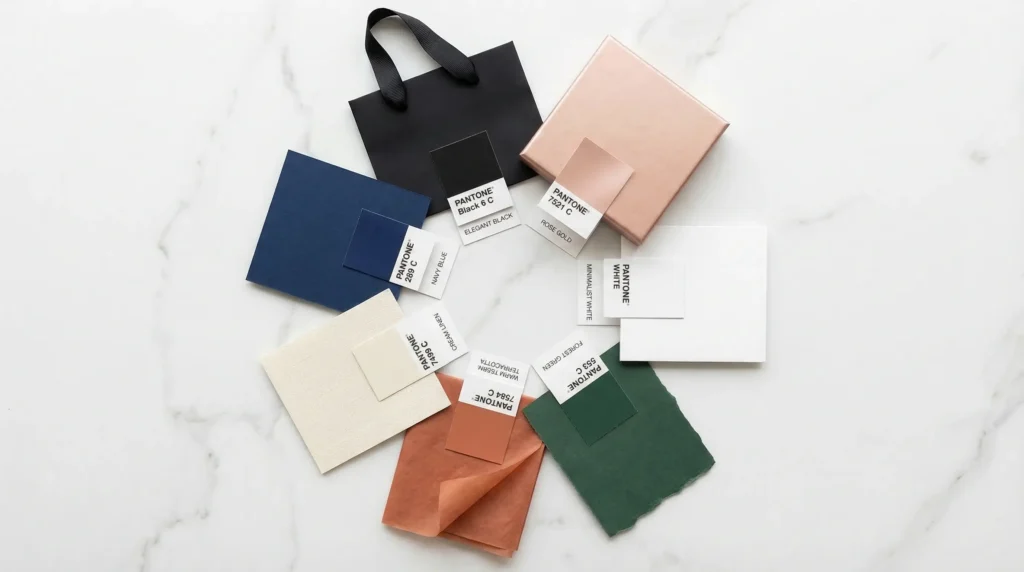
Small Batch Orders (Under 2,000 units): Colored specialty papers deliver superior quality. The paper’s natural texture and color saturation create a richer, more premium feel than printed surfaces—you get depth and authenticity that printing simply can’t replicate. While specialty papers cost more per unit, you eliminate printing setup fees, plate costs, and per-unit printing charges. For limited runs, the total investment often undercuts printed alternatives.
Large Batch Orders (Over 5,000 units): Traditional printing becomes the more economical choice. The per-unit cost of specialty papers doesn’t decrease at scale, but bulk printing costs get significantly amortized. A printed box on quality white cardstock can achieve competitive aesthetics at better unit economics when quantities are high.
When to Choose White Cardboard
White cardboard becomes the better choice when your design requires logos, text, patterns, or multi-color elements. To better understand how thickness impacts durability and cost, check our GSM Guide. White provides the optimal canvas for printing, offering better ink adhesion and color accuracy than colored stocks. The printing cost is necessary for complex designs, but you still benefit from the premium feel of specialty paper versus standard stock.
The calculation is simple: specialty papers cost slightly more than standard stock, but eliminating printing for solid colors often results in lower total costs. When printing is necessary, specialty paper still adds perceived value without proportional cost increases.
Sustainable Packaging as a Brand Asset
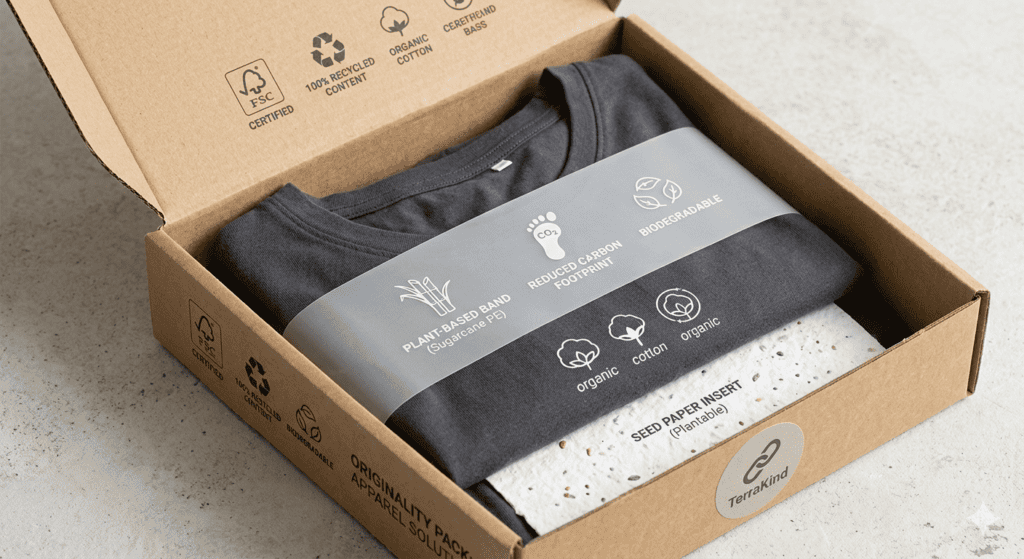
Sustainable Materials Suitable for Clothing Packaging
- Recycled card stock Modern recycled papers offer quality indistinguishable from virgin materials. Post-consumer waste (PCW) papers carry additional credibility with eco-conscious shoppers. Many suppliers now offer recycled options at competitive prices.
- FSC-certified papers Certification from the Forest Stewardship Council ensures responsible forestry practices. This certification has become a minimum expectation for European markets and is increasingly important globally.
- Recycled poly mailers Instead of traditional plastic mailers, consider options made from recycled polyethylene. These function identically to conventional poly mailers while containing recycled content. Some options are fully recyclable through store drop-off programs.
- Cotton and canvas alternatives Reusable cotton dust bags replace disposable poly bags for premium items. While initially more expensive, these bags extend brand visibility as customers reuse them, providing ongoing marketing value.
- Biodegradable additives For poly mailers that will be discarded, options with biodegradable additives accelerate decomposition. These address consumer concerns without significant cost premiums.
The Luxury Paper Bag: Your Brand's Most Visible Packaging Piece
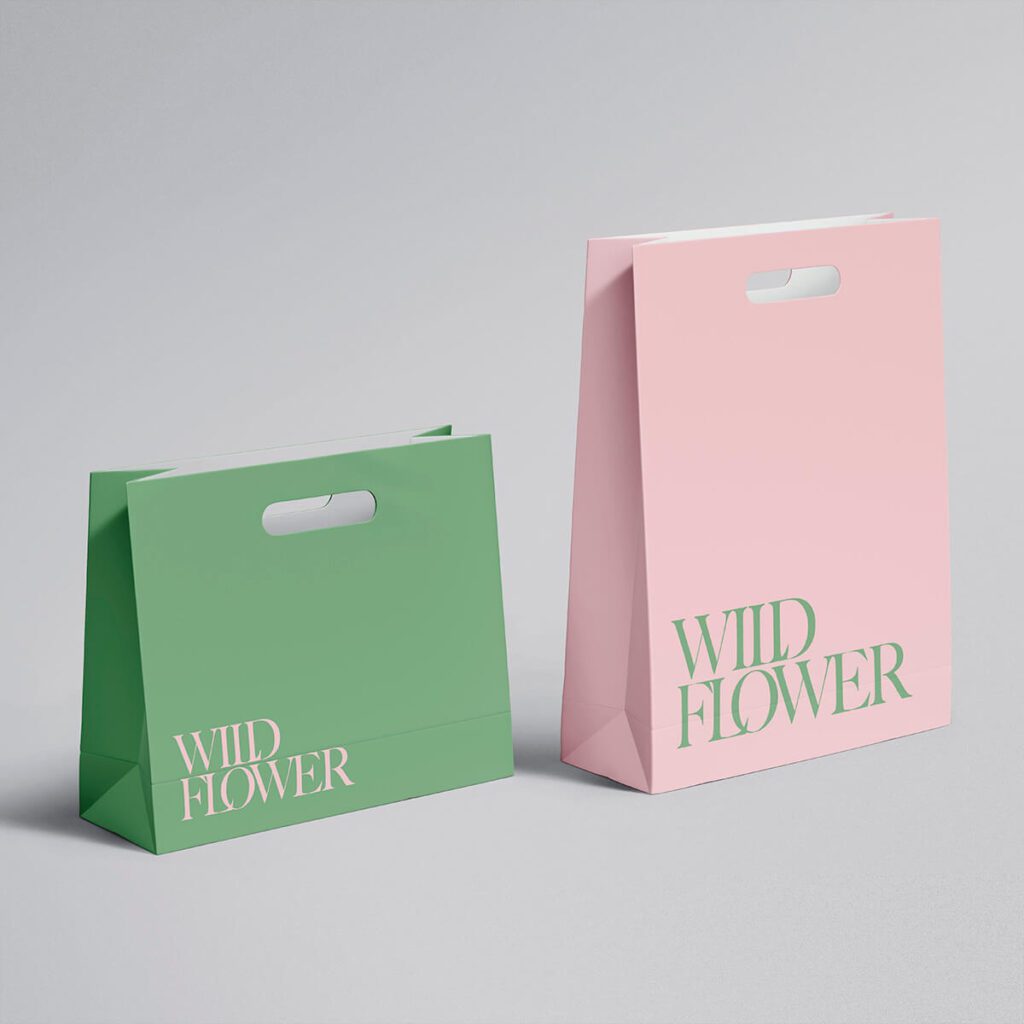
Unlike boxes that customers open at home alone, a luxury paper bag travels through streets, cafes, and offices — giving your brand public visibility long after the purchase. For boutiques and retail brands, this makes it one of the highest-ROI packaging investments available.
The good news is that a custom luxury paper bag doesn’t have to be expensive to look premium. Choosing the right paper weight (250-300gsm coated), a single foil-stamped logo, and ribbon handles can create a high-end retail feel from as low as $0.80-1.20 per unit at 500 pieces — well within a budget-conscious packaging strategy.
See our custom luxury paper bags with factory-direct pricing from 100 pieces.
Collapsible Boxes: The Hidden Shipping Saver
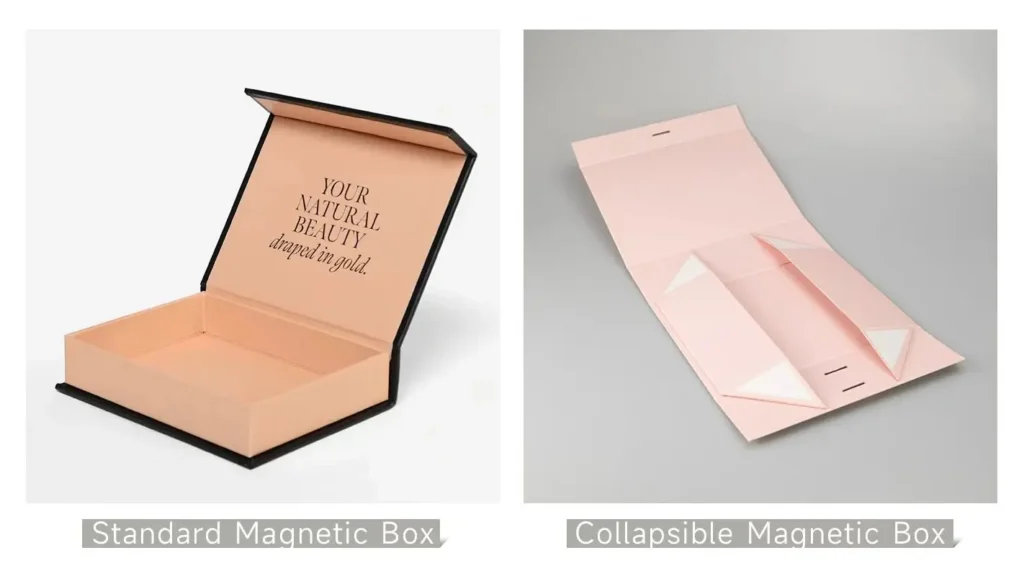
Traditional rigid boxes command premium perception but impose significant shipping costs. Collapsible boxes offer a compelling alternative: approximately 15% higher material costs but 30-50% savings on shipping expenses. Understanding this trade-off transforms packaging economics for many brands.
Cost Comparison Illustration
In summary, the 40% reduction in shipping volume typically yields an ROI that is 14 times higher than the additional folding labor and material premium combined
Estimated Savings: Rigid vs. Collapsible Box
*Note: This is a cost estimation based on average China-to-US freight data (2026).*
For a brand shipping 10,000 monthly orders (Illustrative Case):
- Est. Extra Material Cost: (+$0.12/unit) +$1,200
- Est. Labor for Folding: (10s/box @$20/hr) +$560
- Est. Shipping Savings: (Avg. Volume Reduction) -$8,000
- Potential Monthly Savings: ~$6,240
Disclaimer: Actual savings may vary based on specific courier rates, warehouse efficiency, and box dimensions. Contact our specialists for a precise quote.
Practical Considerations
- Collapsible boxes require simple folding before packing. Most designs fold intuitively with minimal training.
- Including simple instruction cards helps maintain consistency across warehouse staff.
- Flat boxes store in minimal space, reducing warehouse costs for brands managing their own inventory.
- This advantage becomes even more valuable for seasonal businesses with variable storage needs.
Before choosing a flat-packed format, compare the available rigid box structures to confirm the opening style and whether formed or collapsible delivery fits the project.
Recommended Applications
Bulk Ordering: The Mathematics of Volume
Volume ROI Strategy Tool
*Estimates for reference only. Actual quotes vary based on custom finishing and materials.
Volume Pricing Principles
- Minimum order quantities (MOQs) Most manufacturers set MOQs to ensure production efficiency. Smaller runs command premium pricing due to setup costs. If your brand cannot meet standard MOQs, consider consolidators who aggregate orders from multiple brands.
- Price breaks at scale A typical progression might range from $0.50 per unit at 1,000 units to $0.35 per unit at 10,000 units. The difference compounds significantly at scale.
- Storage versus ordering costs Larger orders reduce per-unit costs but tie up capital and require storage space. Brands must balance immediate savings against carrying costs.
- Production planning advantages Giving suppliers advance notice of upcoming orders often secures better pricing than rush production. Building forecasts into supplier relationships creates mutual benefits.
Building Supplier Relationships for Long-Term Value
Transactional Vendor
- ❌ Hidden "Rush" fees
- ❌ Standard production queue
- ❌ Strict adherence to PO only
- ❌ Fluctuating seasonal pricing
Strategic Partner (Originality Pack)
- ✅ Priority production slots
- ✅ Early warnings on material shifts
- ✅ 10-15% long-term cost savings
- ✅ Collaborative problem-solving
Developing Strong Supplier Relationships
- Consistent communication Regular contact keeps your brand top-of-mind when capacity becomes available or issues arise.
- Payment reliability Paying invoices promptly and reliably builds trust that translates to priority treatment.
- Forecasting transparency Sharing demand forecasts, even approximate ones, helps suppliers plan capacity.
- Multiple supplier strategy Building relationships with two or three suppliers provides backup options while maintaining competition.
- Quality feedback loops When issues arise, constructive feedback helps suppliers improve and typically returns as better products and service.
Production Techniques: Where to Invest and Where to Simplify
Processes Worth the Investment
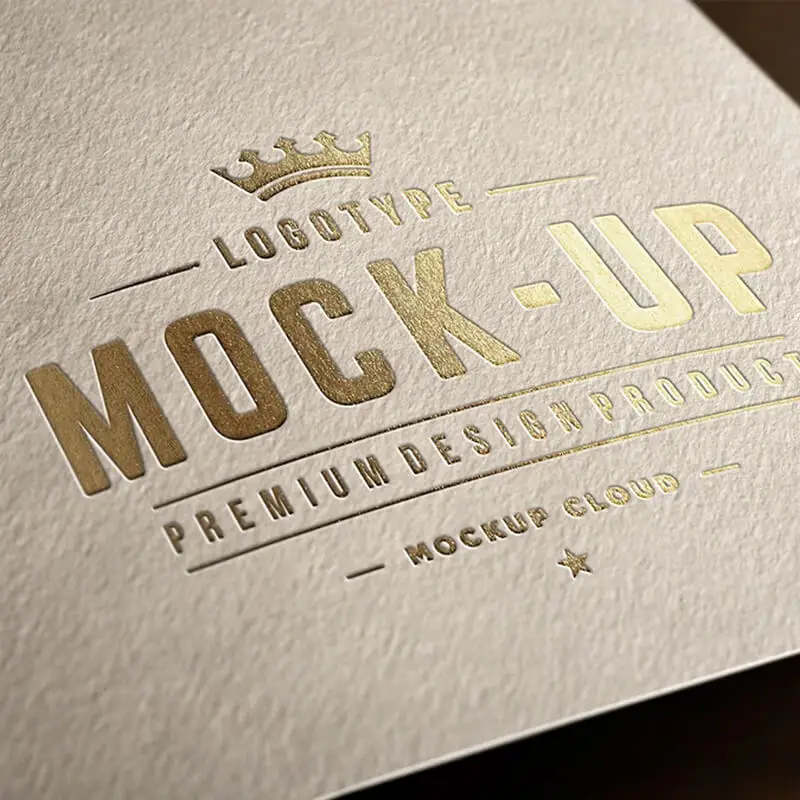
- Foil stamping Metallic foils such as gold, silver, and rose gold create immediate luxury perception. This works particularly well for logos and minimal text.
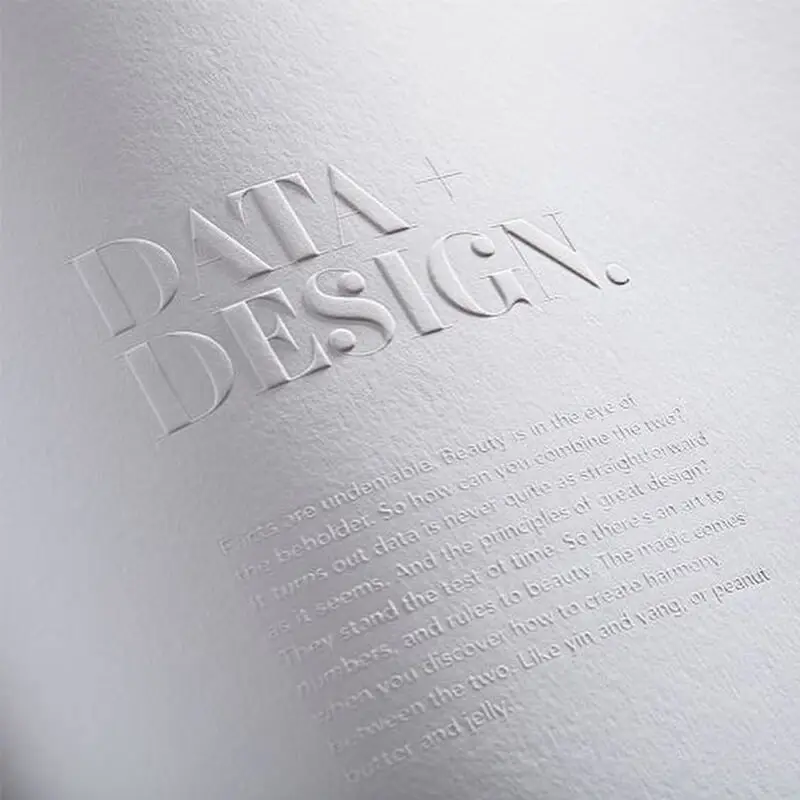
- Embossing and debossing Texture creates tactile luxury. Embossed logos and debossed text invite touch while adding sophistication.
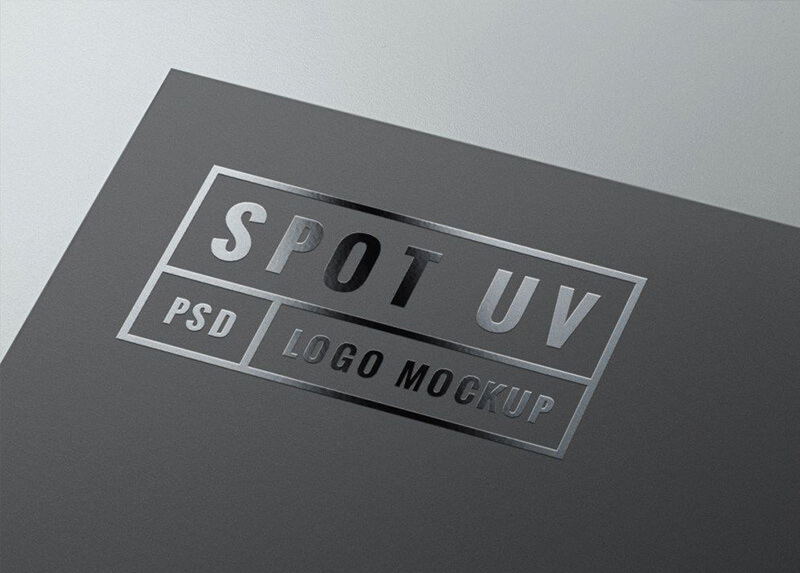
- Spot UV Selective gloss creates visual contrast without full coverage. A subtle spot UV pattern can transform plain stock into premium material.
Processes to Simplify or Eliminate
- Full coverage printing Specialty papers often eliminate the need for full printing entirely. When printing is necessary, minimal designs usually create a stronger premium impression.
- Complex die cuts Intricate shapes add production complexity and cost. Simple, clean structures often appear more premium.
- Multi-component packaging Every additional component adds cost and potential failure points. Simplify to the elements that serve a clear purpose.
Cost-Saving Technique Comparison
| Finishing Technique | Est. Cost Impact | Perceived Value | ROI Status |
|---|---|---|---|
| Foil Stamping (Gold/Silver) | +15-25% | High | BEST INVESTMENT |
| Embossing / Debossing | +10-20% | High | HIGH ROI |
| Spot UV Gloss | +10-15% | Medium-High | RECOMMENDED |
| Complex Die Cuts | +30%+ | Low-Medium | NOT ADVISED |
*ROI Status is based on the ratio of added manufacturing cost to consumer perceived brand value.
Checklist: Is Your Clothing Packaging "Luxury on a Budget"?
Key Takeaways
Packaging Strategy Audit Checklist
Tick off the boxes to see how optimized your current supply chain is.
"The goal is not the cheapest packaging, but the smartest spending."
Unlock My Custom Savings →Frequently Asked Questions
For brands shipping directly to consumers, collapsible boxes typically save 30-50% on shipping despite 15% higher material costs. The folding labor is usually minimal compared with the freight savings. The best approach is to calculate your actual shipping cost per order and compare both formats directly.
Our MOQ depends on the packaging type, size, and printing requirements, but most projects follow these general guidelines:
- 100 units is the typical starting quantity for custom packaging production
- 100–500 units are common for small brand launches or trial runs
- 500–1000+ units are more cost-efficient for retail brands and regular production
- Larger orders allow better price efficiency and color consistency across batches
If your project includes multiple packaging items (such as paper bags, boxes, or hang tags), we can also help optimize the order structure to meet production requirements.
Yes. Samples are available before mass production.
You can choose from:
Existing sample sets to check material and printing quality
Custom samples based on your design and specifications
Sample costs and lead time depend on the complexity of the product.
Sustainable packaging options such as recycled papers and biodegradable mailers often cost similarly to conventional alternatives. Some materials carry small premiums, but the brand positioning benefits frequently outweigh minor cost differences. In many cases, recycled options are actually less expensive than virgin materials.
Focus on total cost optimization rather than unit price. Effective strategies include selecting specialty papers to eliminate unnecessary printing, using colored papers for solid-color designs, evaluating collapsible formats for shipping savings, ordering at volume breakpoints, and building stronger supplier relationships.
250g white card stock is often the sweet spot for premium gift bags. If you’re unsure how to choose the right thickness, refer to our paper bag GSM guide for a detailed breakdown.It feels substantial, supports a wide range of finishes, and remains commercially practical. Specialty papers such as ivory, cream, or textured stocks can further increase perceived value. For printed designs, white specialty card usually provides the best surface.
For shipping clothing, poly mailers are the most cost-effective option, while boxes offer better protection for premium products. For a detailed comparison, read our clothing mailing packaging guide.
Conclusion: Making Premium Packaging More Cost Efficient
Discuss Your Clothing Packaging Project
Tell us about your packaging needs and our team will provide practical advice and a quotation.