

Key Takeaways
- Retail brands: Choose paper bags — cost $0.25–$0.60/unit at 1,000 units, making them a practical option for in-person sales.
- E-commerce brands: Choose mailer boxes — the corrugated structure helps protect clothing during shipping.
- Hybrid brands: Use both while keeping branding consistent across packaging formats.
- Minimum orders: Paper bags can start from 100 units, while custom mailer boxes usually start from 300 units.
Table of Contents
Introduction
When choosing clothing packaging solutions for your clothing brand, the critical decision is: Paper Bags or Mailer Boxes? This choice affects your brand image, operational costs, and customer experience.
This comprehensive guide compares paper bags and mailer boxes across four key dimensions
What Are Paper Bags for Clothing Brands
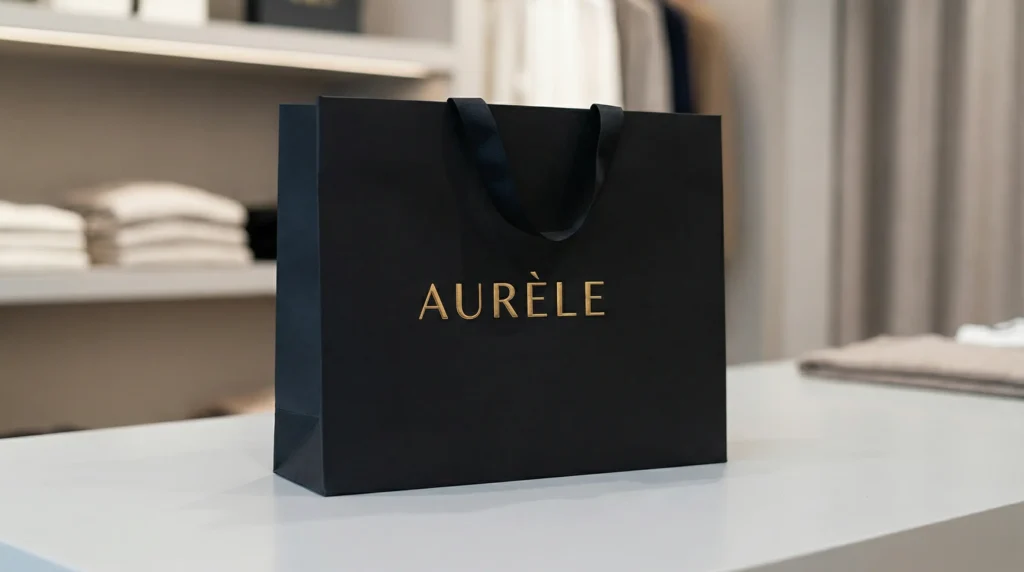
Paper bags are hand-carried packaging designed for retail environments. Unlike standard plastic bags, branded paper bags feature high-quality white cardstock or kraft paper with printed logos, where choosing the right paper bag thickness (GSM) plays a key role in both durability and cost control
Key characteristics of paper bags include
1. Excellent Cost Efficiency
For retail brands with daily order volumes, paper bags offer significantly lower total costs. At 100 units, white cardstock paper bags with basic logo printing cost approximately $100 to $200 total. At 1,000 units, the per-unit price drops to approximately $0.25 to $0.60, depending on your minimum order quantity for paper bags and customization level.
2. Superior Brand Visibility
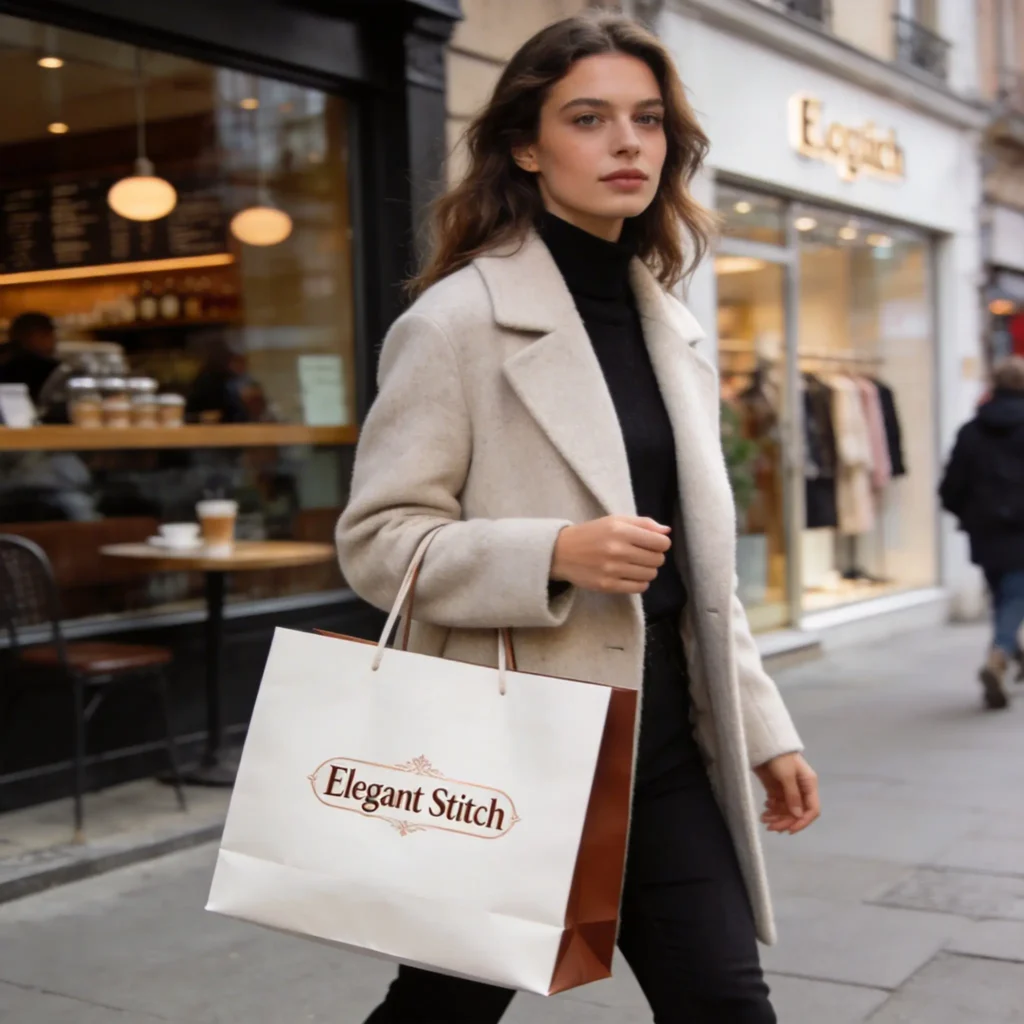
3. Flexible Customization
4. Ideal for In-Person Delivery
What Are Mailer Boxes

Mailer boxes are corrugated cartons specifically engineered for e-commerce logistics. Their primary function is protecting products during shipping and transit, making them the best packaging for mailing clothing in most e-commerce scenarios. Unlike standard shipping boxes, mailer boxes feature a fold-over design that allows secure closure without tape.
Key characteristics of mailer boxes include
1. Outstanding Protection
. The corrugated cardboard structure provides excellent cushioning, effectively absorbing shocks and pressures during transportation. For wrinkle-prone shirts, structured blazers, or pants that need to maintain their shape, mailer boxes represent the safer choice.
2. Reasonable Storage Requirements
The corrugated cardboard structure provides excellent cushioning, effectively absorbing shocks and pressures during transportation. For wrinkle-prone shirts, structured blazers, or pants that need to maintain their shape, mailer boxes represent the safer choice.
3. Accessible Minimum Order Quantities
4. Enhanced Unboxing Experience
Mailer boxes create a more “ceremonial” unboxing moment for e-commerce customers. Many DTC brands design custom mailer boxes to transform package opening into an integral part of their brand experience. Allbirds uses custom mailer boxes made from recycled materials, reinforcing their environmental values.
Paper Bag vs Mailer Box: Four Key Comparisons
Cost Comparison
| Order Size | Paper Bags | Mailer Boxes | Key Insight |
|---|---|---|---|
| 100 units | $1.00–$2.00 / unit Flexible, no strict MOQ | MOQ: 300 required | Only paper bags are viable |
| 300 units | $1.00–$2.00 / unit | $1.67–$2.67 / unit | Cost gap is still significant |
| 1,000 units | $0.40–$0.80 / unit | $1.80–$4.50 / unit | Paper bags become highly cost-efficient |
Pricing varies based on size, material, printing, and structure.
For startup clothing brands with limited capital, starting with 100 paper bags at $100–$200 represents a manageable entry point. Mailer boxes require a larger $500–$800 commitment but serve essential e-commerce shipping needs.
For startup clothing brands, budget planning matters significantly. If you are launching with limited capital, starting with 100 paper bags at $100 to $200 represents a manageable entry point. Mailer boxes require a larger $500 to $800 commitment but serve essential e-commerce shipping needs.
The supplier you choose — whether an online platform or a direct factory — also affects how these costs scale over time; our guide on choosing between Noissue and a direct factory breaks down the trade-offs for clothing brands specifically.
At the same time, many brands assume that creating a premium packaging experience always requires a high budget, which is not necessarily true. With the right material choices and design strategy, it’s possible to achieve a more elevated presentation without significantly increasing costs, as explored in this clothing packaging strategy guide.
Use Case Comparison
primary decision criterion when choosing clothing packaging should be your dominant sales channel
Premium Paper Bags
Strategic InsightCrafts a high-touch sensory experience that turns every customer into a brand ambassador on the street.
Brand Image Comparison
Walking Billboard
Generates continuous street visibility and social proof every time a customer carries it.
Delivery Moment
Focused on the high-impact "first impression" when the parcel arrives at the doorstep.
Fashion-Forward Brands
Perfect for boutiques seeking organic reach through daily lifestyle integration.
Experience-Focused Brands
Ideal for DTC labels that rely on curated "Unboxing Experiences" to drive loyalty.
Lifestyle Photography
Often featured in "outfit of the day" posts and aesthetic shopping hauls.
Reveal Moments
Central to "Unboxing" videos where the discovery of interior design is key.
Protection Comparison
How Clothing Brands Should Choose Packaging Solutions
Quick Decision Framework
Packaging Decision Guide
If you’re still unsure, reviewing a complete clothing packaging guide can help clarify your options.
2026 Clothing Brand Packaging Trends
1. Sustainability Remains Central

An increasing number of clothing brands integrate environmental responsibility into packaging selection:
- Recyclable paper bags made from FSC-certified materials
- Recycled-content mailer boxes with soy-based inks
- Paper-based alternatives to plastic throughout the supply chain
Example: Patagonia has long championed sustainable packaging, demonstrating how environmental commitment aligns with brand values and customer loyalty.
2. Unboxing Experience Becomes Strategic

In the social media era, unboxing content shapes consumer perceptions and drives purchasing decisions. Brands increasingly view mailer box design as strategic investment rather than mere operational expense.
Example: Dolce Vibes designed mailer boxes with photography-worthy interiors, encouraging customer unboxing videos that drive organic engagement.
3. Hybrid Approaches Gain Traction
Modern clothing brands increasingly employ both packaging types strategically.
Example: Ganni uses distinctive paper bags for retail while deploying branded mailer boxes for e-commerce, with consistent visual language across both formats.
Frequently Asked Questions
Paper bags generally represent the lower-cost option. At 100 units, paper bags cost approximately $100–$200 total. Mailer boxes require MOQ of 300 units at approximately $500–$800 total. While per-unit costs converge at higher quantities, paper bags maintain a cost advantage for retail-focused operations.
E-commerce clothing brands should exclusively use mailer boxes for shipping. Paper bags cannot provide adequate protection during transit regardless of garment type. All e-commerce clothing shipments require the structural support that mailer boxes provide.
Absolutely. Many successful brands employ precisely this dual approach. Use paper bags for retail transactions and mailer boxes for online orders. Maintain unified visual styling across both formats while optimizing each for its specific use case.
- Paper bags: 100-unit minimum at approximately $100–$200 total
- Mailer boxes: 300-unit minimum at approximately $500–$800 total
Exact pricing varies by supplier and customization level.
Before making a final decision, it’s worth reviewing a complete clothing packaging strategy to ensure alignment with your business model.
Conclusion
Paper Bags
Best for retail / in-store purchases
- Lower cost for bulk orders
- Acts as a walking advertisement
- Strong brand visibility in physical spaces
Mailer Boxes
Best for e-commerce shipping
- Reliable protection during transit
- Enhances unboxing experience
- Designed for long-distance delivery
Beyond choosing between formats, production timelines can vary significantly depending on the packaging type. Learn more about the custom packaging lead time before making a decision.
Quick Decision Tool
Paper bags work best in retail settings where presentation, convenience, and visible branding matter most.
Need Expert Guidance?
If you still have questions about clothing brand packaging selection, we welcome you to reach out. We specialize in providing packaging solutions for growing clothing brands.