
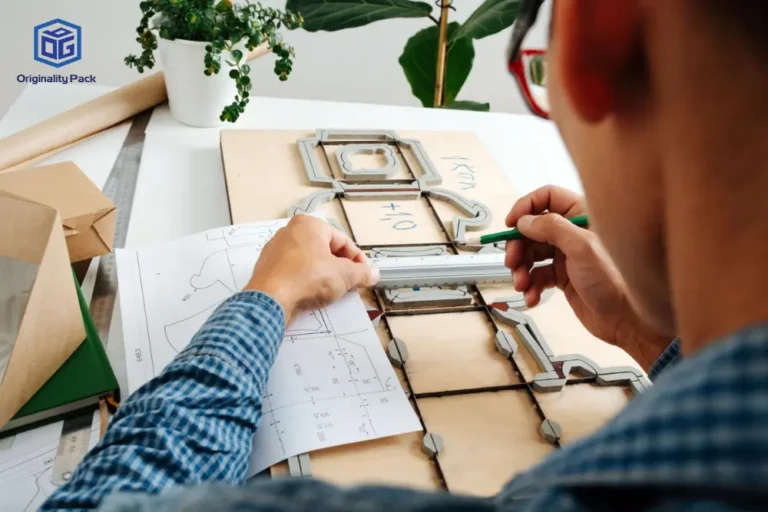
Quick Answer
Most custom packaging orders take around 2–4 weeks for production after the design, specifications, and materials are confirmed.
Standard mass production typically takes about 15–20 days. If a physical sample is required before production, allow approximately 7–10 additional days for sampling and approval. Complex structures, special materials, or multiple finishing processes may extend the timeline. Shipping time is not included.
Table of Contents
Custom packaging production follows a predictable manufacturing timeline. If you’re planning your full packaging system, this clothing packaging guide can help you understand how different packaging types fit together. However, the design phase duration varies significantly based on how quickly you provide feedback and approvals. This is the variable that most often causes delays or, conversely, enables faster turnaround.
Quick Reference: Production Lead Times by Box Type
| Packaging Type | Base Production Time | Best For |
|---|---|---|
| Cards/Stickers | 7-10 days | Simple prints, labels, promotional materials |
| Simple Carton/White Cardboard Box | 10-12 days | Standard packaging, retail boxes |
| Mailer Box (Airplane Box) | 15-20 days | E-commerce shipping, subscription boxes |
| Paper Bag/Handle Bag | 15-18 days | Brand retail, trade shows, gifts |
| Rigid Box/Gift Box | 20-25 days | Premium products, luxury items |
Important Note: These are base timelines for standard processes. Custom finishes (foil stamping, embossing, UV coating, etc.) will add additional time to production.
The Complete Custom Packaging Timeline: Phase by Phase
Phase 1: Design Phase (⚠️ Variable – You Control This)

If you provide feedback the next day, design could be finalized in 5 days (1 revision round).
💡 Pro Tip: Prepare your brand assets (Logo files, color codes, reference images) before starting. The more clear your brief, the fewer revisions you'll need.
Design Phase Best Practices
- Set an internal deadline for design feedback (we recommend 3 days max)
- Compile all revision requests into one list instead of sending multiple rounds
- Be decisive—avoid "I'll know it when I see it" syndrome
Phase 2: Sampling Phase (Optional but Recommended)
Before mass production, you can request samples to verify the final result. This step is especially important for premium formats like rigid boxes or high-detail printed packaging. We offer two types of samples to meet different needs:
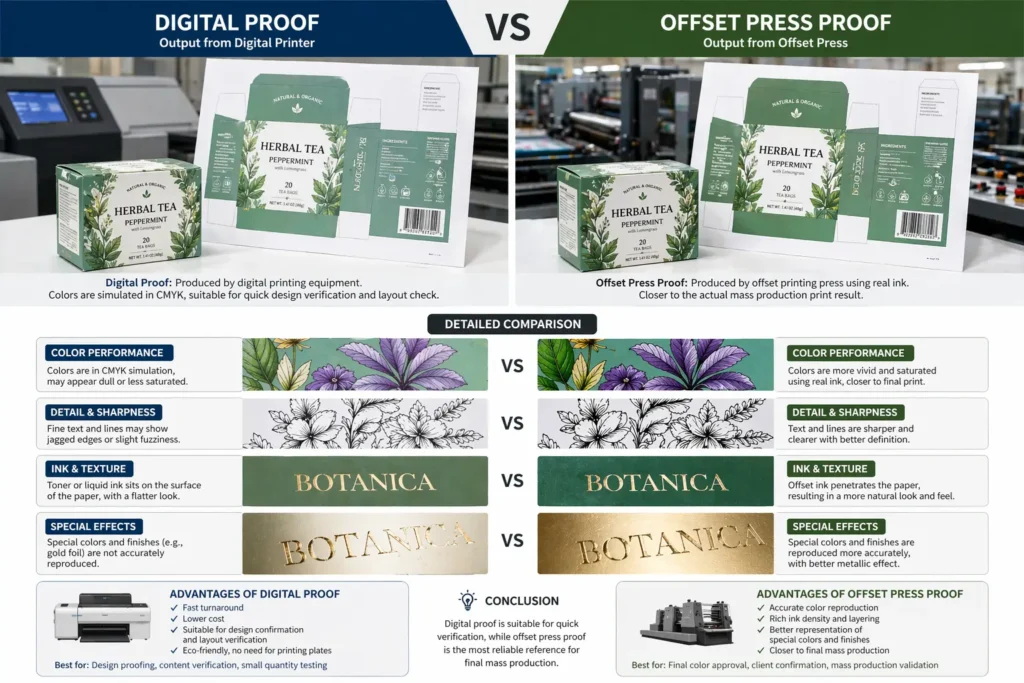
Understanding the Two Types of Samples
(Production Sample)
For custom luxury paper bags, sampling is especially useful when you need to confirm paper stiffness, handle comfort, logo placement, foil stamping, embossing, or lamination before bulk production.
Digital Sample Explained
- Checking text spelling and layout
- Verifying logo placement
- Reviewing general design appearance
Machine Sample (Production Sample) Explained
- Same printing method (offset printing)
- Same paper materials
- Same color matching process
✅ Recommendation: For best results and value, mass production uses offset printing, which offers superior color quality and more cost-effective pricing for larger quantities. The machine sample accurately represents this final output.
⚠️ Critical Note: Digital samples are for reference purposes only. They cannot represent the exact colors or effects of offset printing. For accurate results, machine samples are essential.
Material selection can also affect the sampling stage. For example, choosing the right paper thickness for clothing bags helps avoid repeated sample revisions later.
Should You Skip Sampling?
Choose your order scenario below and see the most suitable recommendation instantly.
When you have not yet verified print consistency, structure, finishing quality, or supplier execution, sampling reduces avoidable production risk.
This is the safest option for confirming color, structure, and finishing before moving into bulk production.
If the supplier already understands your standards and the order structure is familiar, you may choose speed over an extra approval step.
This can save time, but only if you are comfortable with the trade-off between speed and final verification.
For premium packaging or large financial commitments, small production issues can create much higher downstream loss.
Sampling should be treated as a standard approval step to protect quality, budget, and delivery expectations.
If specifications, materials, artwork, and finishing are all unchanged, sampling may not be necessary for every repeat order.
You can skip sampling if the previous production result was confirmed and no critical elements have changed.
- Digital sample only: Adds 5-7 days
- Machine sample only: Adds 7-10 days
- Both samples: Adds 12-17 days
Not sure which sample type you need?
Get expert guidance on whether digital or machine sampling is right for your project. Our team will recommend the best approach based on your order value and timeline.
Phase 3: Mass Production (Fixed Manufacturing Time)
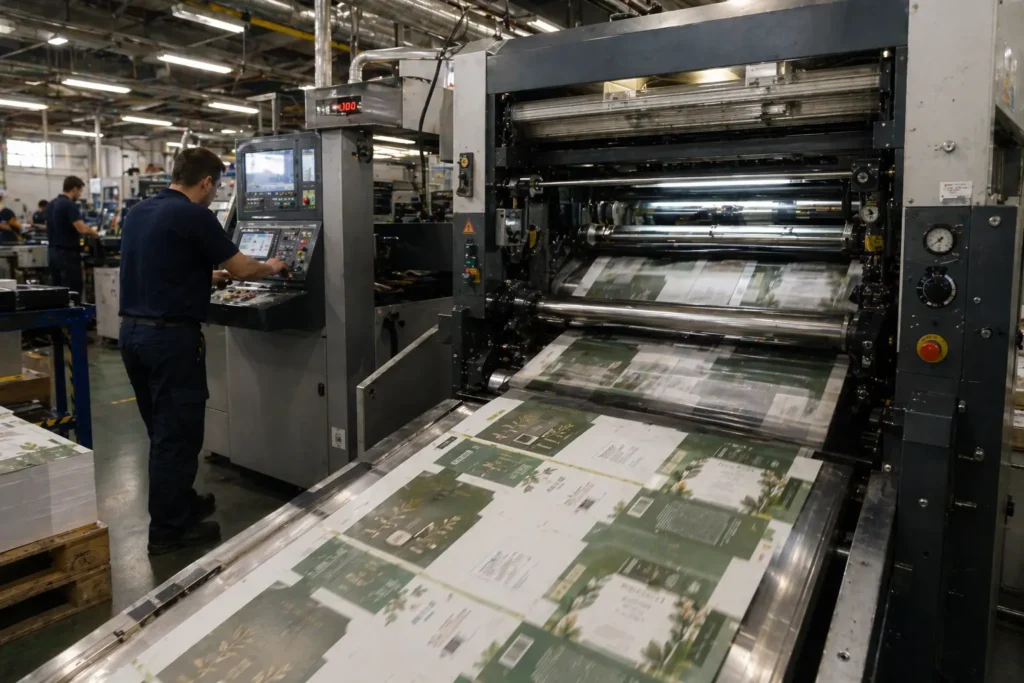
Mass production is usually the longest stage, but also the most predictable — as long as everything is confirmed in advance.
Once your sample is approved, production moves into printing, cutting, finishing, and assembly. For standard packaging, this stage can be completed efficiently within the expected timeline.
However, one of the most common reasons for delays during mass production is color adjustment and consistency control. If color expectations are not clearly defined before production starts, additional time may be required for re-calibration or re-printing.
This is why color consistency planning in bulk production is critical — especially for brands that require strict visual alignment across different batches.
Special finishes such as foil stamping, embossing, and spot UV can also extend production time, as they require additional setup, drying, and inspection processes.
In most cases, projects with clear artwork, confirmed materials, and defined color standards move through production much faster and with fewer risks.
Process Additions (Time Added Per Finish)
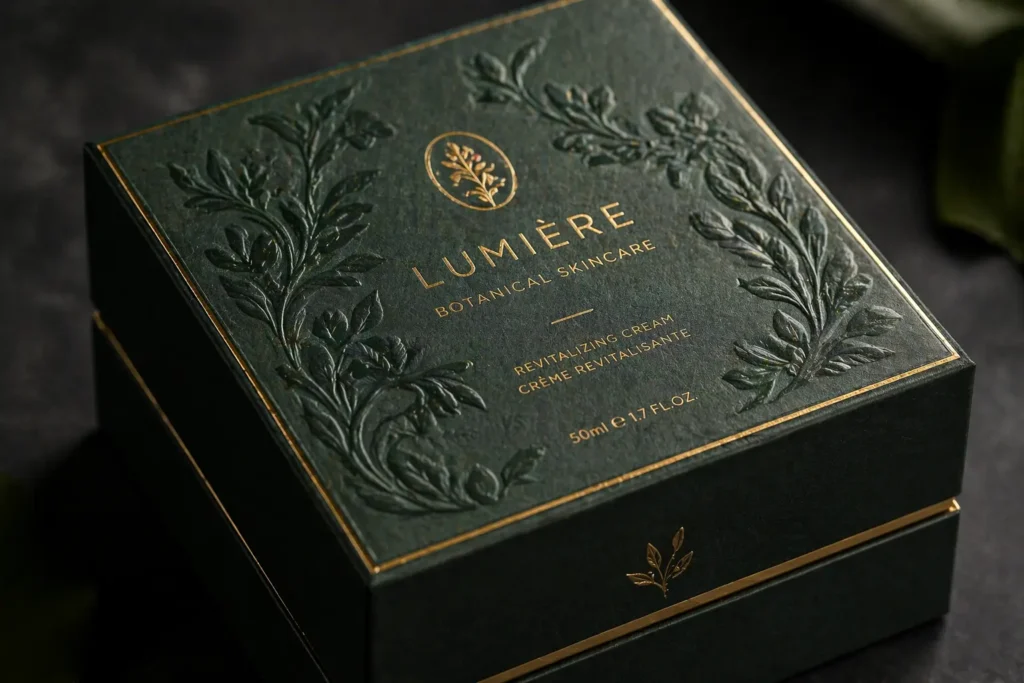
Finishing processes like embossing and foil stamping require additional setup and processing time, which extends the overall production timeline. For brands balancing cost and presentation, see how to create luxury clothing packaging on a budget.
Process Additions Calculator
Select the finishing options you need to estimate how many extra production days may be added.
No additional process selected yet.
Example: A rigid gift box with gold foil stamping and spot UV might take: 25 days (base) + 4 days (foil) + 3 days (spot UV) = 32 days production
Phase 4: Quality Control & Packaging (1-3 Days)
- Quality inspection (visual check, structural test)
- Packing according to specifications
- Preparation of shipping documents
Phase 5: Shipping & Delivery (Variable)
Shipping time varies depending on your location and delivery method. For example, international sea freight can take several weeks due to port handling, customs clearance, and transit time, as outlined in global logistics benchmarks. If you’re unsure how packaging choice affects shipping efficiency, this guide on mailing clothing packaging can help.
For a full breakdown of each stage, see our guide to ordering custom packaging from China.
Real Timeline Examples
Scenario 1: Fastest Possible (Simple Order)
Scenario 2: Standard Timeline with Sampling
Scenario 3: With Delays (Slow Client Feedback)
Want to calculate your specific timeline?
Every project is different. Share your packaging requirements and we'll provide a detailed production schedule tailored to your order.
Factors That Affect Your Timeline
Factors You Can Control ⚡
| Factor | Impact | Optimization Strategy |
|---|---|---|
| Feedback Speed | Directly proportional | Set 3-day internal deadline |
| Revision Count | +3 days per round | Prepare complete brief upfront |
| Asset Readiness | Affects design start | Have Logo/color ready before starting |
| Decision Speed | Critical path | Assign one decision-maker |
Factors We Control (Relatively Fixed) 🏭
| Factor | Typical Impact |
|---|---|
| Production Queue | 1-7 days during peak season |
| Order Complexity | +2-7 days for special finishes |
| Order Quantity | Large orders may split into partial shipments |
External Factors (Unpredictable) 🌐
- Peak Season: Holiday rush (Oct-Dec, Chinese New Year)
- Natural Disasters: Weather delays
- Logistics Issues: Port congestion, carrier delays
- Raw Material Supply: Paper shortages, etc.
How to Speed Up Your Custom Packaging Timeline
Quick Wins Checklist
Use this checklist to reduce delays and keep your packaging project moving efficiently.
Timeline Planning Guide
Planning ahead saves time and money
Don't let lead times catch you off guard. Get a head start on your next packaging project and avoid rush fees.
Frequently Asked Questions
For most orders, the total timeline ranges from 3 weeks to 12 weeks, depending on:
- Design complexity (1-3 weeks for design phase)
- Whether you need samples (adds 7-10 days)
- Box type and finishes (10-25+ days for production)
- Your feedback speed (the biggest variable)
A simple cardboard box with no sampling could be ready in 3-4 weeks. A rigid gift box with gold foil, sampling, and standard client feedback typically takes 7-10 weeks.
Yes, but at your own risk.
Sampling costs time (7-10 days) and money, but it catches issues before mass production. For first-time orders or high-value packaging, we strongly recommend sampling. For simple reprints with no changes, skipping sampling is a reasonable choice.
Each revision round adds approximately 3 days (our modification time) plus your review time. We recommend:
- Limiting revisions to 2-3 rounds maximum
- Providing complete feedback in each round
- Being specific about what needs to change
The fastest we’ve achieved for a simple white cardboard box and bag:
- 21 days total (with lightning-fast client feedback and no sampling)
Realistically, 3-4 weeks is a good target for standard orders. Any faster requires rush fees and immediate feedback on your end.
Yes, significantly.
Peak seasons (October-December for holidays, February-March after Chinese New Year) can add 2-4 weeks to standard lead times. We recommend:
- Starting design discussions 3 months before your needed delivery date
- Being flexible on exact delivery dates during peak periods
Conclusion: Plan Ahead, Ship On Time
Start planning early, prepare your brand assets upfront, and set internal deadlines for approvals. This is how you get custom packaging delivered on time—or even ahead of schedule.
Ready to Get Started?
| Need | Action |
|---|---|
| Get a detailed quote | Share your packaging specs and we'll respond within 24 hours |
| Calculate your timeline | Tell us your target delivery date and we'll confirm feasibility |
| Discuss sampling options | Not sure which sample type you need? Let's talk. |
Tip: The best time to start is before you need your packaging. Most standard orders require 6-8 weeks from kickoff to delivery.
If you’re planning your next packaging project, it’s helpful to first understand how different formats work together. You can explore our complete clothing packaging guide to make better decisions before production starts.
Need Expert Guidance?
If you still have questions about clothing brand packaging selection, we welcome you to reach out. We specialize in providing packaging solutions for growing clothing brands.