
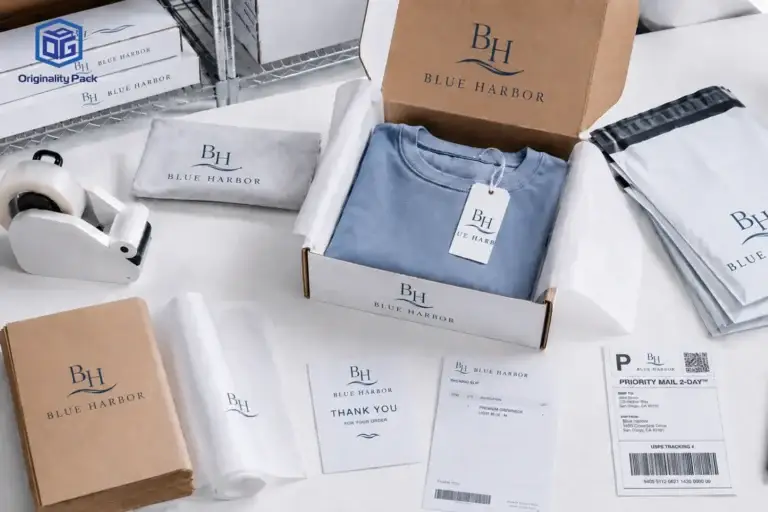
Quick Answer: Online clothing store packaging should include a right-sized shipping mailer or box, inner garment protection, branded tissue or wrapping, stickers or seals, and optional inserts, hang tags, or labels. Start with protection and shipping size, then add branded components that improve presentation without creating unnecessary MOQ or production complexity. If a corrugated mailer is part of the system, see how to size a custom mailer box around the garment, inner packaging, inserts, and finished shipping dimensions before sampling.
Table of Contents
What Shipping Layer Does an Online Clothing Store Need?
If your brand needs custom boxes for higher-value apparel orders, keep the box close to the folded garment size. Originality Pack’s custom paper box page is a useful reference when comparing box formats, printing, and structure options before requesting a quote.
What Inner Packaging Do Clothing Orders Need?
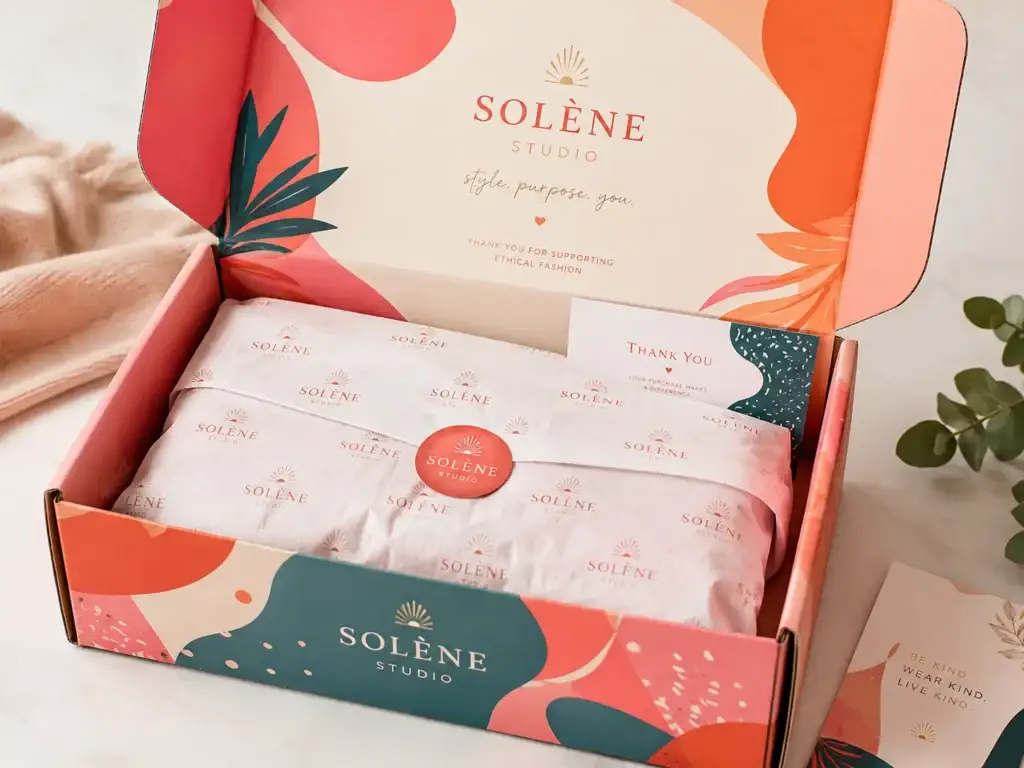
Which Brand Components Should a Clothing Store Add First?
What Packaging Components Should a Clothing Store Prepare First?
Different clothing packaging components serve different purposes. This comparison helps brands decide which items are worth customizing based on use case, presentation value, and production trade-offs.
| Component | Best For | Not Suitable For | Customization Priority | Cost / Production Trade-Off |
|---|---|---|---|---|
| Poly mailer or paper mailer | Lightweight, soft garments | Structured, fragile, or gift-boxed orders | High for ecommerce | Lower shipping volume, but less presentation value than a box. |
| Mailer box | Gift orders, premium apparel, multi-item orders | Very low-margin products or oversized lightweight orders | Medium to high | Better presentation, but higher unit cost and possible dimensional weight impact. |
| Printed tissue paper | Brand presentation inside mailers or boxes | Products needing structural protection | High for branding | Flexible across SKUs, but print coverage and paper choice affect cost. |
| Sticker or seal | Closing tissue, adding a small brand mark | Replacing proper garment labels or shipping labels | High for small brands | Low-cost visual detail, but adhesive and finish should match the use case. |
| Hang tag | Retail, gifting, premium garment presentation | Very basic ecommerce orders where tags are removed immediately | Medium | Small item, but paper, string, foil, and shape choices change cost. |
| Thank-you card or insert | Care instructions, return notes, QR codes, brand story | Orders where excess paper feels wasteful | Medium | Useful communication tool, but should not repeat information already sent by email. |
| Paper shopping bag | Retail pickup, pop-ups, events, boutique sales | Direct parcel shipping without an outer carton | Medium for hybrid brands | Strong retail value, but handle structure and GSM affect cost and durability. |
Do Online Clothing Brands Still Need Paper Bags?
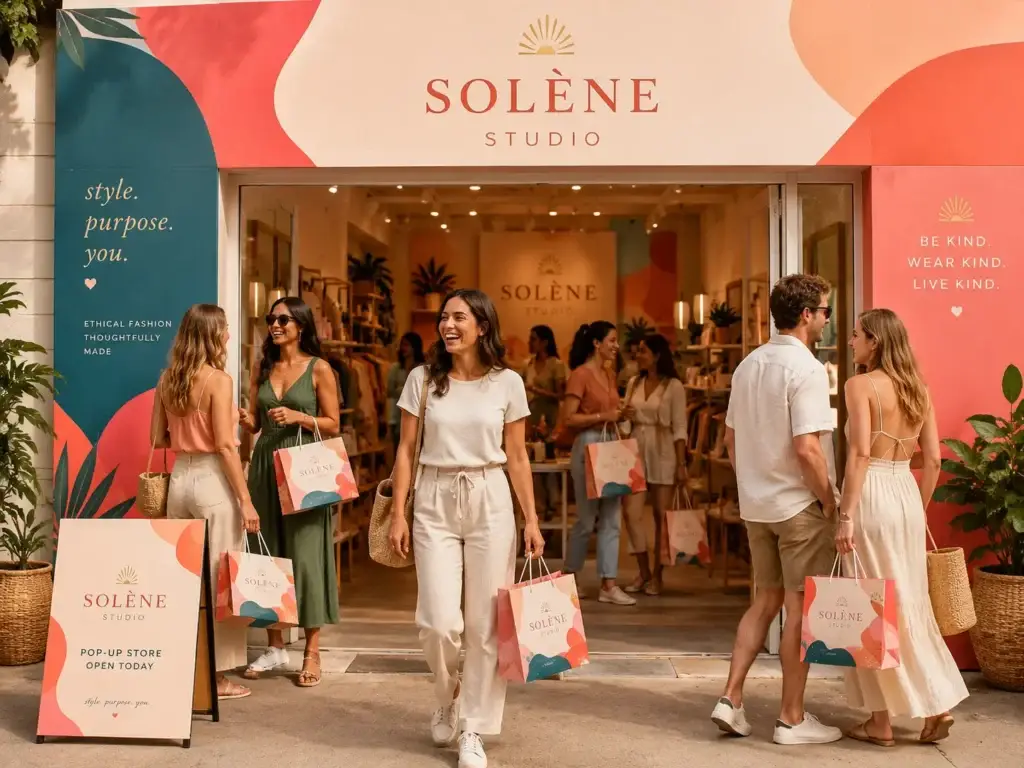
Paper bags are suitable when the customer receives the product by hand or when the bag sits inside a larger shipping carton as part of a gift presentation. They may not be suitable for direct shipping, heavy coats without reinforced handles, or urgent launches that require complex finishing.
For clothing brands that sell both online and offline, custom paper bags can help keep retail presentation consistent. Originality Pack’s clothing packaging bags with logo page can help buyers compare paper bag structure, handle styles, and branding options.
How Do MOQ, Sampling, and Finishing Affect Your First Packaging Order?
Factory planning benchmarks: Sampling often takes about 5-10 days depending on structure, print method, and finishing. Mass production often takes about 10-25 days depending on quantity, materials, print process, and whether finishes such as foil stamping, embossing, spot UV, or special lamination are included. These are planning ranges, not universal promises.
What Packaging Mistakes Do New Clothing Brands Make?
What Should You Send a Factory Before Requesting a Quote?
Before asking for a clothing packaging quote, prepare these details to make the discussion faster and more accurate.
The more details you prepare, the easier it is to estimate cost, timeline, material options, and production risks.
Get Packaging Guidance →Which Packaging Setup Fits Your Clothing Brand Stage?
Launch-stage online store
Suitable setup: mailer bag or small mailer box, tissue paper, sticker, and simple thank-you card. This keeps cost manageable while giving the package a branded look. Avoid complex foil, multiple box sizes, and too many custom inserts until repeat order volume is clearer.
Simple branded presentation with controlled setup cost.
Mailer, tissue paper, sticker, and thank-you card.
Too many sizes, special finishes, or complex inserts.
Growing ecommerce clothing brand
Suitable setup: two or three shipping sizes, custom tissue, branded stickers, hang tags, care labels, and selected inserts. This stage can justify more coordinated packaging because order patterns are easier to predict.
More consistent packaging across repeat SKUs and order types.
Shipping sizes, tissue, stickers, hang tags, care labels, and inserts.
Use order data to decide which packaging items deserve customization.
Premium or gift-focused fashion brand
Suitable setup: mailer box, tissue paper, printed insert, hang tag, garment label, and possibly a rigid or specialty box for limited collections. The trade-off is higher cost, longer sampling time, and more careful color control.
Stronger unboxing experience and more premium material choices.
Mailer box, printed inserts, hang tags, garment labels, and rigid boxes.
Higher cost, longer sampling, and stricter color control requirements.
Retail and online hybrid brand
Suitable setup: ecommerce mailers or boxes plus custom paper shopping bags for in-person sales, pop-ups, wholesale, and events. This setup is useful when customers interact with the brand in both parcel and retail environments.
Consistent brand experience across shipping and in-person retail.
Mailer boxes, paper shopping bags, tissue, tags, and inserts.
Pop-ups, events, wholesale delivery, and boutique-style retail touchpoints.
Frequently Asked Questions
Most online clothing stores need an outer shipping mailer or box, an inner garment protection layer, tissue paper or wrapping, a sticker or seal, and a simple card or insert. Hang tags, woven labels, care labels, and paper bags can be added depending on product type and sales channel.
Poly mailers or paper mailers are usually better for soft, lightweight garments where low shipping volume matters. Boxes are better for gift orders, structured garments, premium presentation, and multi-item orders. The best choice depends on protection needs, shipping cost, and brand positioning.
No. Most new clothing brands should customize the highest-impact items first, such as tissue paper, stickers, hang tags, or one main mailer size. Customizing every component too early can increase MOQ pressure, artwork work, and inventory risk.
As a practical planning range, sampling often takes about 5-10 days, while mass production often takes about 10-25 days after sample approval. Complex structures, special finishes, material sourcing, and high quantities can extend the timeline.
Printed tissue paper and branded stickers are often practical first choices because they work across many garment types and order sizes. They improve presentation without requiring every shipping package to be fully custom from the beginning.
Conclusion
If you are preparing your first custom packaging order, share your garment type, folded size, quantity, artwork, finish preference, and delivery country. Originality Pack can help review which packaging components are necessary now and which can wait until your order volume becomes more predictable.
Sources used: Shopify Help Center; USPS; FedEx.