🌱 FSC Certified Factory ⚙️ Stable Bulk Production 👗 Serving Apparel & Lifestyle Brands 🏭 25+ Years Packaging Manufacturing 🌱 FSC Certified Factory ⚙️ Stable Bulk Production 👗 Serving Apparel & Lifestyle Brands 🏭 25+ Years Packaging Manufacturing
Edit Template

Packaging Selection Guides

The Ultimate Guide to Custom Luxury Paper Bags in 2025

The Ultimate Guide to Custom Luxury Paper Bags in 2025

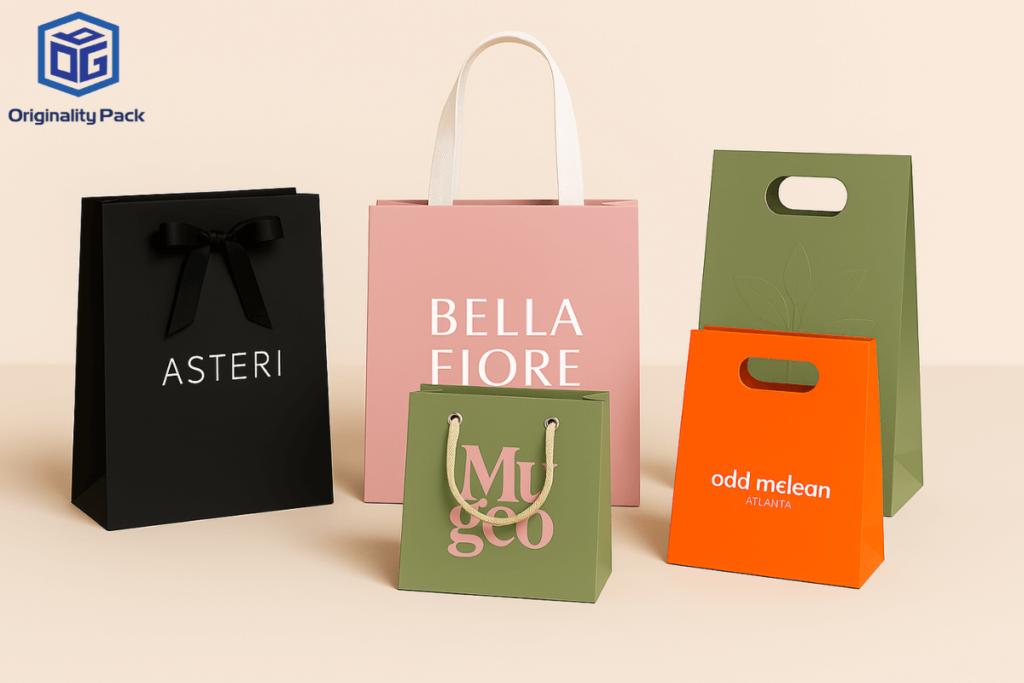
Introduction When it comes to luxury products, presentation is everything. A well-crafted custom luxury paper bag not only serves as packaging but also acts as an extension of your brand, creating an unforgettable first impression. Whether it’s for a high-end boutique, a jewelry store, or a premium cosmetics line, the right paper bag can elevate your brand’s image and enhance the customer experience. In this ultimate guide, we will walk you through the essential steps in creating the perfect custom luxury paper bag. From selecting the right specifications to designing a bag that aligns with your brand’s identity, we will help you make informed decisions that match both your budget and your vision. Let’s begin with understanding how to choose the right specifications for your luxury paper bags, setting the foundation for your custom design. Table of Contents Part 1: Choosing the Right Specifications The first step in creating your custom luxury paper bag is determining the right specifications. This includes not just the size, but also the shape, structure, and proportions that best suit your product and brand experience. A well-fitted bag enhances the unboxing moment and reflects attention to detail—something luxury consumers expect. How to choose right paper bag size? Rather than jumping straight into measurements, we recommend starting with three key considerations: Product Dimensions + Buffer SpaceAlways start by measuring the product at its widest, tallest, and deepest points. Then add enough buffer space to accommodate protective packaging (e.g. tissue paper, pouches, or boxes) without creating too much empty space, which can cheapen the feel. Proportion & Aesthetic BalanceA luxury bag should not only fit the product—it should frame Tall and narrow bags create a refined vertical silhouette, while wider and shorter bags feel more grounded and substantial. Consider the shape that complements your product and brand personality. Practicality of UseWill customers be carrying this bag by hand for long periods? Does the product have weight that requires structural support? Will multiple items be packed in the same bag? These questions help determine whether you need extra reinforcement, thicker materials, or a specific shape for comfort. To dive deeper into the measuring process, check out our detailed article:How to Measure Your Paper Bag Size: 3 Tips to Figure Out the Best FitIt includes step-by-step instructions on how to measure and calculate the final size of your bag and 20+ popular paper bag size for direct take away. By following this thought process, you’ll avoid common pitfalls—like bags that are too tight to fit the product or too loose to feel premium—and instead, create a package that feels purposeful, tailored, and high-end. Part 2: Custom Design Once you’ve locked in the specifications of your luxury paper bag, the next step is to bring your brand to life through thoughtful design. In the world of luxury packaging, visual simplicity paired with refined detailing often speaks louder than complexity. The goal is to create a tactile and visual experience that aligns with your brand’s identity while subtly communicating quality and elegance. Source: Originality Pack  Source : Originality Pack Logo Design and Paper Bag Color A common approach in luxury packaging is using a solid color background paired with a single-color logo. This minimalist aesthetic allows the brand mark to take center stage, reinforcing recognition and timeless appeal. Black, white, beige, and deep jewel tones are popular base colors, often chosen for their understated sophistication. Silver Foil + Embossed UV Spot Gold Foil To elevate the logo beyond simple printing, many luxury brands use premium finishing techniques, such as: Foil Stamping – Adds a metallic shine, commonly in gold or silver, to enhance perceived value. Embossing – Creates a raised effect, giving the logo a tactile, three-dimensional presence. UV Spot Coating – Applies a glossy finish selectively over the logo or patterns, creating contrast on a matte surface. These finishes are more than decorative—they contribute to how the customer feels about the packaging before even seeing the product inside. Budget vs. Paper Choice Your choice of paper directly influences not only the look and feel of your bag, but also its sustainability, cost, and compatibility with various finishes. Here are two common options: To better understand the visual and tactile difference between printed white card paper and true dyed specialty paper, check out this short video we made:🎥 Watch the comparison on TikTokThis clip clearly shows the subtle but important difference between using black print on white card versus using naturally black specialty paper. It’s a small detail that makes a big impact. Part 3: Choosing the Right Handles When choosing luxury paper shopping bags, one key design element is the handle. Different handle types vary in cost, perceived luxury, comfort, and design possibilities. Below is a comparison of nine common premium paper bag handle styles: Die-cut Handle Cost Level : Low Perceived Luxury Level: Basic User Experience: Basic Design Flexibility: Limited Notes: Directly cut into the bag, ideal for lightweight items. Offers a minimalistic look and is the most cost-effective option. Die-cut Handle + Ribbon for Hang Cost Level : Medium Perceived Luxury Level: Premium User Experience: Comfortable Design Flexibility: Morderate Notes: Adds a hanging ribbon, enhancing visual appeal and usability, suitable for lighter, more elegant gift bags. Handle Insert Hole Cost Level : Low Perceived Luxury Level: Basic User Experience: Basic Design Flexibility: Limited Notes: A simple punch hole for the handle, commonly used for durable yet budget-friendly bags. Handle Insert Hole + Eyelet Cost Level : Medium Perceived Luxury Level: Premium User Experience: Comfortable Design Flexibility: Morderate Notes: Eyelets add durability and a stylish finish to the punch holes, ideal for bags that need to handle more weight or unique stylish. Handle Insert Hole + Middle Ribbon Glued Cost Level : High Perceived Luxury Level: High-End User Experience: Premium Feel Design Flexibility: High Notes:Adding a glued middle ribbon enhances both the luxury and user experience, showcasing your brand’s commitment to quality and detail. Glued Handle Cost Level : High Perceived Luxury Level: High-End User Experience: Premium Feel Design

The Ultimate Guide to Custom Luxury Paper Bags in 2025 Read More »
How to measure my paper bag size? – 3 tips to figure out the best fit

How to measure your paper bag size? – 3 tips to figure out the best fit

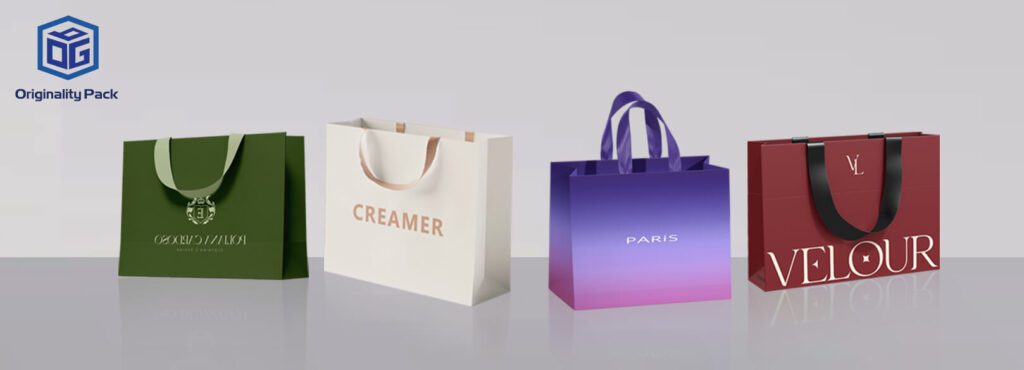
Introduction: Why the Right Paper Bag Size Matters Selecting the right paper bag size is not just a matter of aesthetics—it’s a strategic decision that impacts both your operational costs and your brand reputation. When your bags are appropriately sized, you can reduce production and shipping expenses by eliminating wasted space and material. Moreover, a well-fitted bag minimizes the room for products to shift during transit, effectively protecting them from damage. This careful attention to sizing not only preserves the integrity of your items but also enhances the overall presentation of your brand. In turn, satisfied customers are more likely to trust your products and become repeat buyers. Table of Contents Understanding Bag Dimensions: Length, Height, and Width Before selecting the right paper bag size, it’s important to understand how its dimensions are measured. A paper bag’s size is typically defined by three key measurements: length, height, and width. Each plays a crucial role in determining how well the bag accommodates your products. Length refers to the measurement along the opening of the bag or the bottom part. This determines how wide the bag’s opening is and how easily products can be placed inside. Height is the vertical measurement from the bottom to the top of the bag. A taller bag provides more capacity, making it ideal for longer or bulkier items. Width represents the depth of the bag’s side panels. This measurement affects how much space the bag has for products and ensures stability when placed on a surface. By considering these dimensions together, you can choose a bag that not only fits your products but also provides the right balance of functionality and appearance. Landscape vs. Portrait vs. Square Paper Bags Choosing the right bag orientation can streamline product presentation and cater to specific industry needs. Different orientations suit various product types and applications, ensuring that your packaging not only looks appealing but also functions effectively. Landscape (Horizontal) Bags Landscape bags are designed with a longer length than height, making them ideal for products that benefit from a spread-out layout. This orientation is frequently used in the clothing industry—think of neatly folded t-shirts, accessories, or even shoes—where a broader opening facilitates easy access and a secure arrangement. The design also enables efficient display in retail settings, ensuring that products are showcased attractively while remaining well-protected. Portrait (Vertical) Bags In contrast, portrait bags are taller than they are wide. This vertical design works well for products that require a snug, upright fit. Industries such as cosmetics, personal care, and certain types of apparel often opt for portrait bags, as they complement items like bottles, tubes, or other elongated products by providing a secure and visually appealing container. This orientation is also popular in scenarios where shelf display and vertical stacking are important. Square Paper Bags Square paper bags feature equal or nearly equal dimensions for length, height, and width, offering a balanced and symmetrical appearance. They are especially useful when a uniform presentation is desired, making them a popular choice for gift packaging and premium retail. Their even shape provides a versatile platform for creative branding and ensures that products are centered, enhancing visual appeal and stability during handling. By aligning the bag orientation with your product’s design and the industry-specific requirements, you ensure that your packaging enhances both functionality and customer appeal. Whether you choose landscape, portrait, or square bags, selecting the right dimensions is key to protecting your products and elevating your brand image. 3 Tips When Measuring the Size Selecting the ideal paper bag size involves a thoughtful evaluation of several key factors. Here are three practical tips to ensure your measurements lead to the perfect fit: Product Specifications and ShapeStart by taking accurate measurements of your product’s dimensions. For products with a regular shape, standard measurements will often suffice. However, for irregularly shaped items, it’s essential to measure the longest dimensions—length, width, and height—to determine the overall size required. This approach ensures that even products with unusual contours are accommodated properly, offering a snug fit and effective protection. Quantity and Orientation of ProductsConsider how many items you need to pack and their optimal orientation within the bag. Decide whether your products should be placed horizontally or vertically based on their design and how they are best presented. Ensuring that multiple items fit comfortably in a single bag not only improves product safety but also streamlines your packaging process. Budget ConsiderationsAnalyze your budget to balance functionality with cost-efficiency. Custom sizes can be more expensive, so limiting your options to one or two standard bag sizes that can cover most of your product range is often a smart choice. This strategy helps in reducing production costs while still providing versatile packaging solutions for a variety of products. Showcasing Our Most Common Paper Bag Sizes Measuring your product to get the perfect bag size can be a daunting task. Based on over twenty years of industry experience, we’ve distilled our knowledge into five standard specifications that cater to a variety of industries. These common sizes have been refined through years of practice and are designed to simplify your packaging process while ensuring optimal product protection and presentation. Specification 1: Compact Classic – 115x155x70mm (WxHxD)A smaller size ideal for delicate items such as jewelry, cosmetics, or small accessories. Its compact design ensures a snug fit and reduces wasted space, making it perfect for boutique retail settings. Specification 2: Mid-Range Marvel – 260x250x80mm (WxHxD)A versatile option that works well for medium-sized items like folded apparel, small electronics, or gift items. This size balances capacity and style, making it a popular choice for a wide range of products. Specification 3: Standard Solution –  305x220x100mm (WxHxD)Designed for everyday items, this size accommodates a broad spectrum of products such as multiple light apparel, retail shop, magazines, or packaged goods. Its standardized dimensions help streamline production and inventory management. Specification 4: Large Luxe –  345x260x130mm (WxHxD)Ideal for larger or bulkier products, this option provides ample space without compromising on protection. It’s well-suited for

How to measure your paper bag size? – 3 tips to figure out the best fit Read More »