Custom Mailer Boxes for Small Business: When Should You Upgrade?
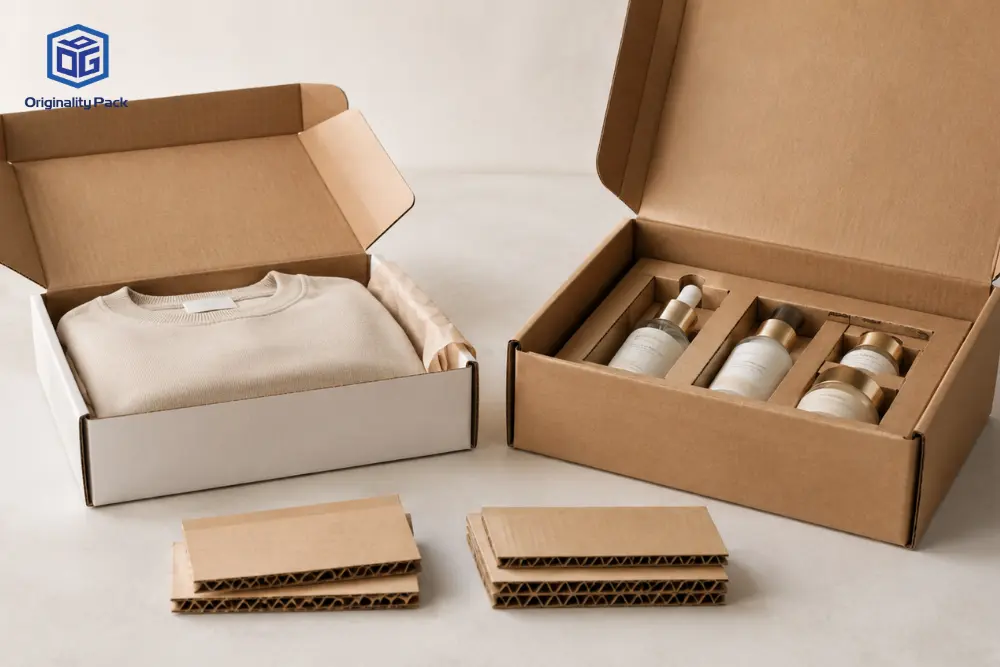
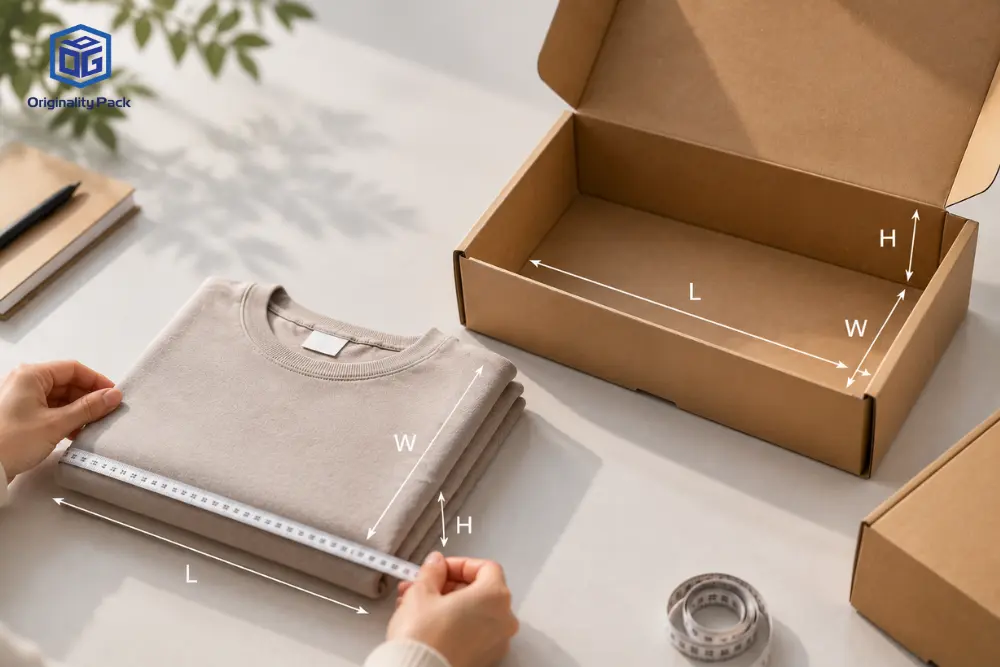
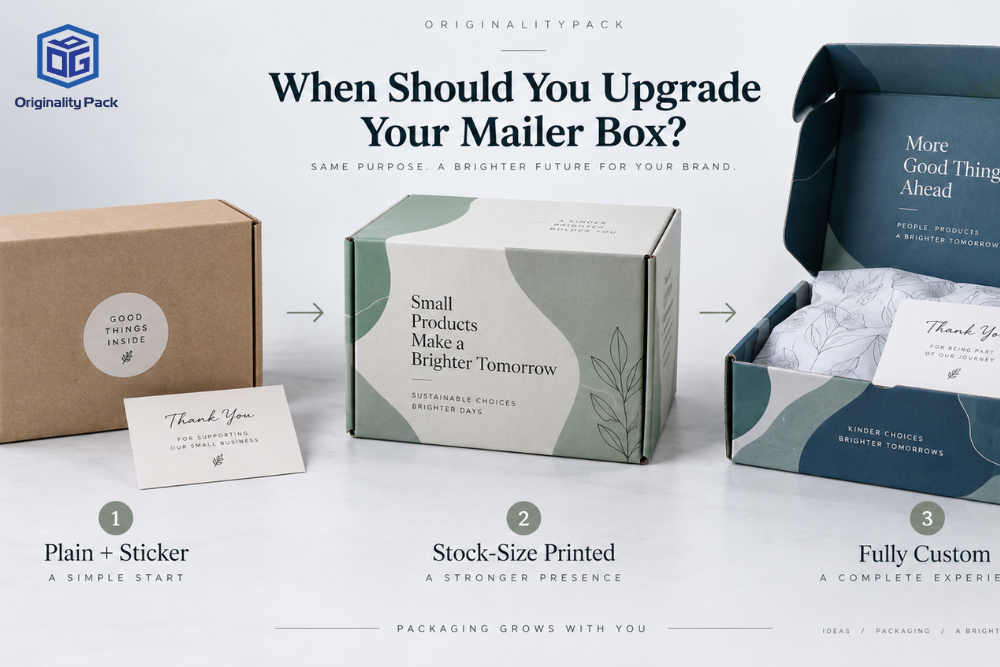
Quick Answer For most small businesses, custom mailer boxes are worth considering only after product dimensions, order volume, and branding are reasonably stable. Start with plain stock boxes and variable branding while testing. Move to stock-size printed mailers when branding stabilizes but sizing is uncertain. Choose fully custom size and print when a verified fit can reduce empty space, packing materials, or fulfillment friction without creating excess inventory. Table of Contents Custom packaging can make a shipment feel more intentional, but a printed box is not automatically the right first investment. A small business may still be testing its product range, changing its artwork, or learning which box sizes it actually uses. Ordering too much too early can turn packaging into obsolete inventory rather than a useful brand asset. Key Takeaways for Small-Business Mailer Boxes A low-commitment box is usually safer while products, artwork, or sales volume are still changing. Custom printing does not always require a custom box size; using an existing supplier structure can be a practical middle step. Compare total cost per shipped order, not only the supplier’s box price. Approve the packed system—product, insert, tissue, closure, and shipping performance—not an empty box or digital mockup. Which Mailer Box Stage Fits Your Small Business Now? The best route depends on how much is already known. A business that is still testing its product should not make the same packaging commitment as a brand with repeat orders, stable artwork, and a proven packout. Mailer route Best fit Main advantage Main trade-off What to verify Plain stock box + sticker, tape, or card Launches, seasonal products, changing artwork, uncertain demand Low design and inventory commitment Manual branding work and limited print coverage Product protection, sticker application time, and available stock sizes Stock-size printed mailer Stable branding but uncertain demand or no clear need for a custom die Printed presentation without developing a new structure The existing size may still leave unused space Supplier dieline, MOQ, packed fit, print method, and repeat availability Fully custom size + custom printing Stable products, repeat volume, known packout, measurable sizing problem Control over fit, print area, opening sequence, and packing layout More specification work and greater obsolete-inventory risk Final dimensions, tooling, sample performance, carton packing, and reorder plan Swipe horizontally to view the full table. Not sure which route fits your business? To compare the three routes, share: A product photo and approximate packed dimensions Your expected quantity A quick note on the packaging you use today We can help you compare a stock box, stock-size printed mailer, and fully custom mailer before you commit. Compare My Packaging Options When Is a Plain Box with Stickers the Lower-Risk Choice? Choose a plain stock box with a sticker, printed tape, tissue, or card when flexibility matters more than full-surface branding. This route is especially practical when a product is new, several box sizes are being tested, or brand artwork may change within the next reorder cycle. In one ecommerce packaging discussion, a buyer questioned whether custom printing justified the commitment, while participants suggested branded tape or stickers as a bridge. The exchange reflects the real trade-off: flexibility now versus a more integrated presentation later. One neutral box can serve several products while a custom packaging sticker identifies each collection. This becomes less suitable when employees or a 3PL must apply branding by hand at meaningful volume, or when artwork needs to cover several panels. What to measure: Time the complete packing process, including folding the box, applying the sticker or tape, adding tissue and cards, inserting the product, and closing the package. A low material price can still create fulfillment friction if every order needs several manual branding steps. When Is a Stock-Size Printed Mailer the Best Middle Step? A stock-size printed mailer is often the overlooked middle route. The supplier uses an existing structure or dieline while the brand customizes the artwork. This avoids developing new geometry before the business knows whether custom dimensions will create a meaningful operational benefit. Choose this route when the logo, colors, and core messaging are stable, but monthly demand or the final product mix is not. It is not automatically a no-tooling or low-MOQ product. Confirm whether the size uses an existing cutting tool, whether MOQ applies per artwork or size, and whether the structure will remain available for reorders. Avoid this route when the closest existing size leaves so much empty space that it increases void fill, allows product movement, or changes parcel billing. In that case, the apparent saving from avoiding a custom size may move into fulfillment and shipping instead. When Is a Fully Custom Mailer Box Worth the Commitment? A fully custom mailer becomes easier to justify when product dimensions, packing, sales volume, and artwork are stable. Its size should solve a measurable problem—such as excessive empty space, slow packing, or the need to hold an insert—not merely make the quote feel more bespoke. Custom sizing may reduce unused volume, but the smallest box is not always the safest. Use our custom mailer box sizing guide to compare packed-product clearance, internal dimensions, and finished external dimensions before locking the dieline. For fragile or multi-item orders, review the outer mailer and mailer box insert as one system. UPS explains that dimensional weight represents the space a package occupies relative to its actual weight and calculates it from length, width, and height divided by an applicable divisor. Right-sizing can therefore affect shipping cost, but only when the finished external dimensions change the billing outcome. Check the current UPS dimensional-weight guidance for the applicable service and rate type. Avoid committing to a fully custom structure if a product redesign, regulatory artwork change, new fulfillment partner, or uncertain bundle configuration could make the inventory unusable. A lower unit cost at a larger quantity does not recover the value of boxes that no longer fit. How Should You Calculate the True Cost per Shipped Order? Compare every option using the same product, time period, order volume, packing
Custom Mailer Boxes for Small Business: When Should You Upgrade? Read More »